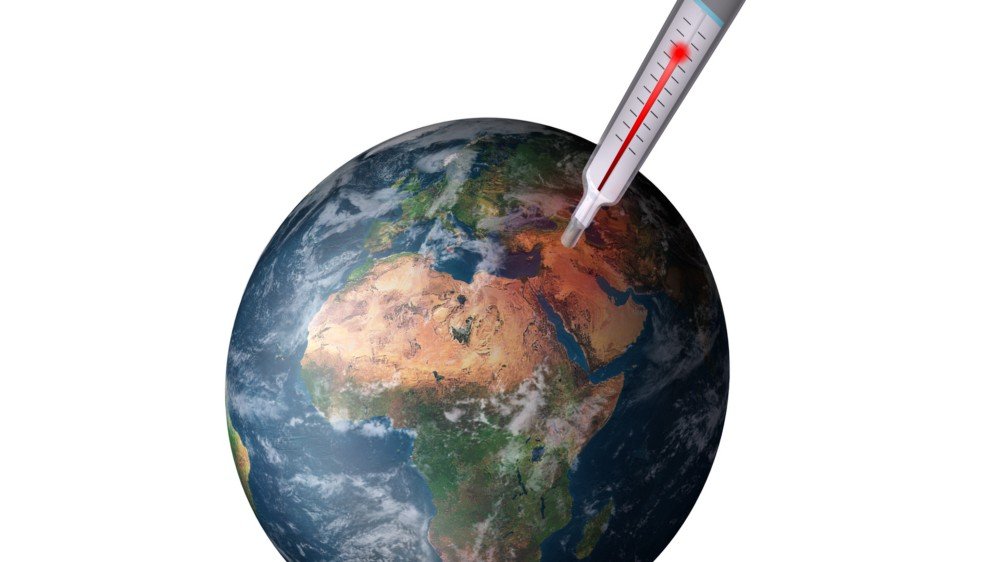
PPM is Parts Per Million, refering to the level of greenhouse gasses in our atmosphere
Did anyone happen to scroll past a news item this week about the latest PPM? If you only get news from the television networks you’ve likely not seen it yet even though this may be the most important development of the week, month, and year. What is a PPM you might be wondering? It’s an acronym that signifies a number that has huge implications for our life, and everyone else on the planet.
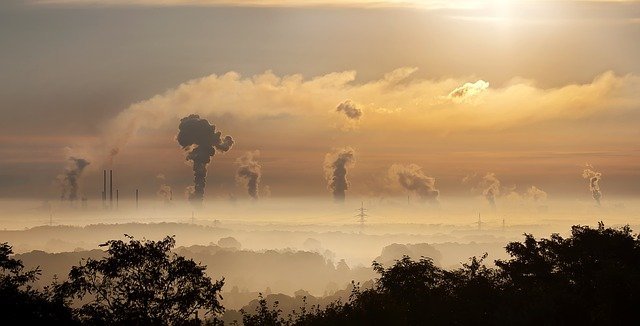
In the context of climate change Parts Per Million refers to the level of greenhouse gasses in our atmosphere at any given time. It’s a changing snapshot of how much atmospheric peril we humans have put ourselves in, largely unknowingly. At last reading on Hawaii’s Mauna Loa Observatory–the accepted benchmark for measuring the amount of carbon pollution, or heat-trapping gasses—we hit a record high of 421 ppm.
That number is only significant if one understands the context so here it is: when records of this indicator were first reported, in the late 1950s, there were about 315 ppm’s in the atmosphere. 350 parts per million is the level considered “safe” by climate scientists and we are now well behind that “not to exceed” marker (thus the name for 350.org, a climate activist group started by Bill McKibben).
So, what does this mean for humanity? Are we doomed? Condemned to endure ever harsher and more deadly extreme weather events? Well yes, but only IF we continue with business-as-usual practices when it comes to burning energy needed to fuel nearly 8-billion human lives.
The scary part? The feedback loop and cascading effects of a warming earth.
While there are more efforts underway than ever to reduce our carbon emissions through waste reduction, inventing and utilizing new technology to reduce emissions, and a fevered race to come up with viable ways to suck carbon out of the atmosphere, the sobering reality is this: unless and until society, in the U.S. and around the world, makes this a higher priority – the highest priority – we will not meet the critical 2030 goal of reducing our carbon emissions by 50%. That failure will likely lock in two degrees of further warming which experts say would be catastrophic.
The really scary part comes from the feedback loop and cascading effects of a warming earth. Just like when people get a fever, the planet also has a tipping point that when surpassed, can threaten survival. While some of these outcomes are predictable; like melting glaciers allowing the sun to warm the water that was previously protected by sea ice, much is unknown. We are truly in uncharted territory.
Whether enough people know it or not, humanity is in a race to survive and any hopes for our offspring to thrive will be determined in the next few years and decades. If that doesn’t stop the presses news, I don’t know what is. And yet if I turn on CNN, MSNBC/NBC, CBS, ABC, I doubt they’ll be discussing the climate crisis.
The news networks have shown themselves to be laggards, not leaders when it comes to covering pressing environmental news. As followers (of each other) we’ve seen the “legacy channels” engage in long cycles of politics as the primary focus and beginning in 2020, the pandemic.
So, what will it take for the planet—our life support system– to get prime-time coverage? Maybe a record high level of ppms in our atmosphere. Or maybe not. But until and unless Mother Nature–our life support system—gets the focused and sustained attention of mainstream news media and the public, we can assume the changes urgently needed will not meet this epic challenge.
If there was a memo that went out saying we are giving up on the fight for a sustainable future – near and far-term – I missed it. And you likely did too so what are we waiting for? Let’s get started while there’s time.
It is now painfully clear just how much virulent lies from right-wing media have fueled election fraud conspiracies and deadly domestic terrorism. By perpetuating and amplifying outlandish fantasies, millions of Americans are in a hyped up state about something that did not occur. But Fox and other conservative news and talk outlets have also contributed to, if not caused, even more harm on another front over a full blown actual crisis they willfully ignore.
I’m referring to their well-fueled disinformation campaign on climate and other life and death environmental issues. This effort has been going on for at least two decades with the science denying narrative fueled by polluters and too many Republicans to protect their assets, and positions of power, respectively. Planet, people, and the forever future be damned.
There is no indication that the right wing climate clowns are coming to their senses or even a little bit nervous about pushback, be it through legal action or pressure on advertisers. Wasting no time, several Fox shows resumed their falsehoods and unhinged attempts to sabotage all efforts to reverse or slow climate collapse on Inauguration Day and in the days following. Call it the “Foxic Effect” because the fear mongering lies about job losses and economic ruin help fortify resistance to cleaning up the environment, aka our home.
Actual news about damage accruing to our climate, weather, oceans, coral reefs, rain forests, glaciers, wildlife, food, water and human health — hastened by the departed Trump administration’s rollbacks — is routinely ignored by right-wing media channels and has been enabled by public indifference and inattention to these urgent threats.
Much of the human-caused degradation to nature is NOT reversible, rendering the Big Climate Lie even more destructive than even fomenting election fraud and partisan violence. It’s also more deadly than downplaying the science and severe threats from COVID19 — in the long term if not near future. So why don’t we hear much, if anything, about these flagrant lies? Where is the outrage, uproar and accountability on that front?
Many Americans are only newly aware of just how reckless Fox news and opinion hosts — as well as other conservative talkers — have been in peddling dangerous lies with intentional ignorance, arrogance, and impunity. That lack of awareness is understandable since well-informed citizens don’t watch Sean Hannity, Tucker Carlson, Laura Ingraham, or listen to Rush Limbaugh.
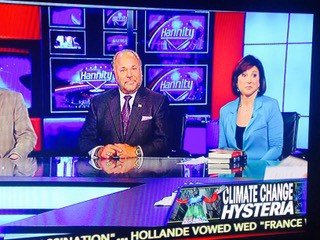
I have both witnessed first hand and experienced being the target of Hannity’s climate lies. For each of the more than dozen times I was a guest on his TV and radio shows the sparring segments alone revealed gross distortions of the truth, with low credibility delivered at high volume (see photo above). It was appalling, galling, toxic, and ought to be be criminal given the serious consequences. We have more climate deniers than any other country and science illiterate citizens vote for non- science savvy candidates. What could possibly go wrong?
In addition to loudly and frequently denying threats of climate and ecosystem collapse — while mocking the scientists and activists trying to address these epic challenges— right wing enablers on cable networks and talk radio have been rewarded for perpetuating these untruths with inexplicably high ratings and obscenely high salaries. The top Fox personalities make tens of millions of dollars each year with Hannity taking home (to his many mansions) a reported $45 million a year — to lie! And that doesn’t include speaking and promotional gigs.
How is that acceptable and why is it tolerated as our planet withers and writhes and our children’s future safety hangs in the balance?
This absurd and astonishing situation has been a focus of mine for two decades but as more people wake up to the dangers of fake news — the REAL fake news — we’re still not hearing much, if anything, about how these bloviating buffoons are major contributors to climate denial and inaction in our country. Each time I was on Hannity’s show he had paid shills for the fossil fuel industry on against me, always spewing outrageous nonsense. I actually got harassed online for daring to state that “humans are part of nature.” For them it’s a game to knock liberals, mock environmental activists and deny scientific facts. Even if we didn’t have these dark forces actively thwarting progress, the task ahead is nothing short of monumental. How dare they and where is the accountability?
If more Americans knew the truth about how quickly the window to act on climate collapse is closing — and what will happen if we don’t start dramatically curbing our emissions — we likely would not have had Donald Trump, and his corrupt cast of cronies, in the White House.
Elections have consequences and it could well take years to repair the damage, both to the climate and our country’s reputation, by pulling out of the Paris Accord. At least we have a new science-savvy Presidential team wasting no time in reversing the idiocy, returning us to the global agreement, and shutting down the controversial Keystone pipeline project. In their first week Biden/Harris did more than any previous administration to address the crisis. They’re only getting started but it will take a sustained effort to undo Trump’s rollbacks on fuel efficiency, factory emissions, and methane release from fracking and other dirty processes. It should be clear why we cannot afford any more climate clueless politicians or overpaid deny-o-saurs on national airwaves.
To those who would argue that the pandemic and threats to our democracy pose a bigger threat to our citizens and country consider this: extreme weather inflicted $95 billion worth of damage in the United States in 2020 alone and more Americans have died from emissions infused weather disasters, air and water pollution, toxins and other environmental health threats over the years — and will — than from COVID.
While our fragile democracy faces its biggest challenge in our country’s short history, it WILL survive, likely growing stronger after recent events have served as a giant wake-up call. But our fragile atmospheric and interconnected ecosystems — that make up the web of ALL life — are not so resilient when pushed to the breaking point, which science shows we are rapidly approaching.
When birds are falling from the sky, perishing in record numbers, and bees and other insects disappearing for equally mysterious and disturbing reasons, it should be a Rachel Carson moment each and every day. But if you’re a regular Fox watcher there’s no need for concern. It’s all a big hoax. Better to fear fake threats like socialism, police de-funding, an end to law and order. If the irony and hypocrisy of those manufactured “crises” aren’t apparent then you haven’t been paying attention to the news. And loosening pollution standards in the midst of a respiratory pandemic is so ironic as to be moronic.
Where is the accountability for what should be crimes against humanity leveled at highly irresponsible mega, or MAGA, media outlets posing as news organizations? They’ve clearly duped, if not brainwashed, millions of Americans and whipped up a frenzy over non-existent threats — while downplaying and denying the very real prospect of a punishing planet.
Even as some “conservative” hosts dialed back their rhetoric — a bit — on COVID, mask-wearing, and voter fraud — thanks to lawsuits — they are still getting away with murder, lying about real-world risks to our planet’s health and humanity’s future. Where are the lawsuits, harsh warnings and op-eds on that angle?
Having presented that question to lawyers, media watchdog groups, and public interest non-profits, the First Amendment keeps coming up as an obstacle to forcing the deadly lies to stop.
But you can’t yell fire in a crowded theatre — IF we ever crowd into theatres and other large public venues again — so the First Amendment does have some exceptions. Then why is it okay to allow overpaid cons on right-wing channels to yell the equivalent in reverse: to repeat on television and radio (where the large majority of talk radio is conservative or extreme right-wing) that the planet is NOT on fire? Or that there is NO climate emergency?
It’s a helluva price to pay, but if radicalization of the right — fueled by media (both traditional and social) echo chambers — leads to a cleansing of platforms and personalities that specialize in dirty lies, it will be one of the few silver linings in this devastatingly dark period.
If 2020 was the year of clarity and consequences — to better see what’s NOT working and exposing what was mostly out of view — may 2021 be a year of course correction. Until media perpetrators who are the opposite of patriots are called out and shown the exit door, there can be no healing of people, our political divide, or the planet; our life support system.
If Trump has blood on his hands — not only from rampaging mobs but from other hate crimes that have led to deaths on his watch — he also has carbon fueled carnage on his hands. And so does the Murdoch family. While we’re all washing our hands of the virus, let’s also make now the time to clean up our media landscape and rid it of virulent untruths and propaganda. With the clock ticking on emissions reduction deadlines, there isn’t a day to waste.
And while we’re at it…removing the liars from broadcast and cable airwaves addresses only half the problem. Mainstream news channels need to start covering climate and environmental developments more regularly as if they constitute an emergency, equal if not surpassing threats to our public health and democracy. These are no longer slow moving or distant challenges and ecological damage is enduring, much of it not likely to be reversible, and global in nature.
Mainstream news channels, especially the widely viewed networks, must also begin offering content on solutions even if it means interrupting their regularly scheduled (political) programming, just like they do for COVID and other news du jour. What better use of mass media outlets right now? How are we ever going to get off our gasses if we’re not having a national conversation about how to do it? We’re late getting on this, it’s complicated, and we need more than an occasional 2 minute story, or segment, on breaking climate news.
Just look at what near-constant coverage and dot-connecting did to expose and educate Americans about the pandemic, and impact behavior nearly overnight. Why treat our existential earth emergency any differently? Our home IS on fire and the sky really IS falling. Does anyone out there know how to reassemble intricate and interconnected ecosystems? So why are we destroying them so nonchalantly and piling on the damage while we’re busy distracting ourselves? As President Obama said: “there IS such a thing as too late.” What will you say when your kids ask “what did you do during the narrow window to act?”
If mainstream channels fail to meet their societal obligation to inform the public about needed action to reverse the “climate virus” to keep it from worsening, that is equivalent to withholding a life-saving vaccine. The solutions are out there and everyone should know about them, if nothing else to offer Americans hope and motivation. Just as personal choices like mask wearing and social distancing impact public health; what we drive, how we build, what we eat, and who we vote for, matters for the collective good.
And it’s all connected. You may not hear about it on the news but world reknown virologists insist that if humans don’t start living in better balance with nature, and better protect wildlife habitats, we will certainly have more frequent, and deadly pandemics, perhaps worse than COVID.
There can be no public health, nor thriving democracy, on a dead planet.
Among the many outrageous lines and lies that came out of the most unconventional Republican National Convention (R.N.C. for Really No Clue?) the most egregious is what was not said.
Over four nights of speeches, while several un-natural disasters were wreaking havoc in Louisiana, Texas, and California — not a word was mentioned about what is making these weather events more hellacious.
Aside from the obligatory “thoughts and prayers go out to hurricane victims” — with zero mention of the devastating California fires (Blue state bias?) — the only time the words “climate change” were uttered was when VP Mike Pence denounced climate regulations that Joe Biden would purportedly impose if elected.
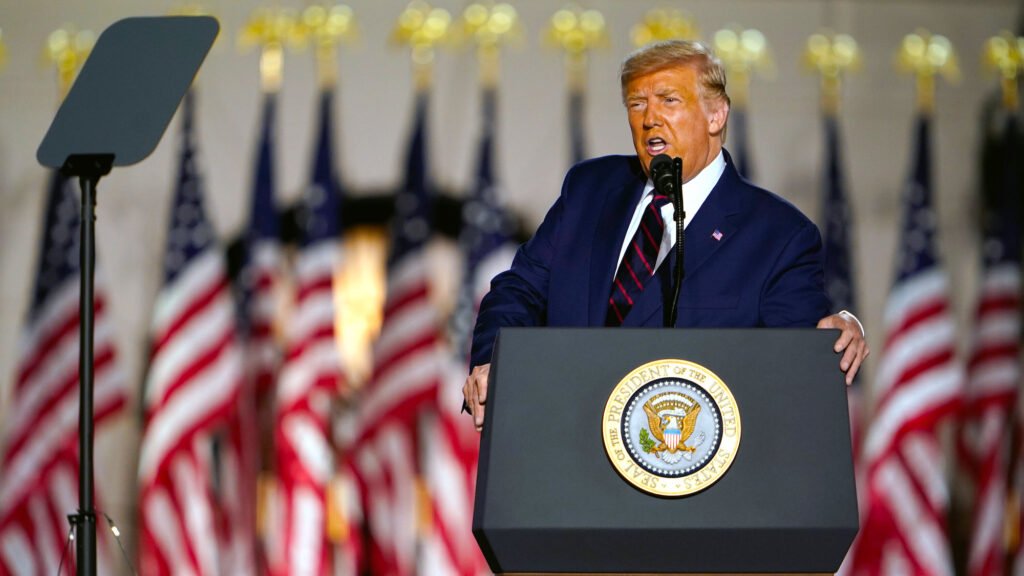
The next night, in his acceptance speech, President Trump boasted about pulling out of “the very costly and unfair Paris Climate Accord,” a global agreement that scientific experts say didn’t go far enough in keeping warming below two degrees.That, as hundreds of thousands of Americans, were fleeing for their lives in triple-digit heat amidst a deadly pandemic with ecological origins, just weeks after Iowans were hit with an unprecedented “land hurricane,” or derecho.
In addition to U.S. refusal to participate in the Paris agreement under Trump — setting back critically needed progress and America’s role as a leader — even after the last several years of near-constant climate catastrophes on his watch, there’s been no change in the administration’s industry-friendly position. Instead, the Trump administration has knowingly made things worse with ongoing environmental rollbacks to loosen fuel economy standards, open up the Arctic Wildlife Refuge to oil and gas drilling, weaken restrictions on greenhouse gas emissions, air, and water pollution, all with negative impacts to human health and safety, today, and in the future.
Hell Bent on Destruction
As the planet convulses, species struggle to survive, oceans warm, and rain forests burn, Republican leadership is hastening the dismantling of our fragile eco-sphere. From the start, Trump and company have been determined to destroy President Obama’s environmental legacy, appointing industry lobbyists to head agencies tasked with protecting public and planetary health, all the while giving a middle finger to science — and citizens. And they have the gall to continue their anti-environment agenda even in the wake of increasingly dire climate warnings. It’s a bad nightmare being made worse and now they’ve gone on record as not even pretending to care about the biggest crisis of our time, let alone its millions of victims!
For the hundreds of thousands of Americans impacted by just the most recent carbon-fueled disasters, it would surely have been surreal to watch the Republicans’ rosy view of life under Trump. His regressive administration is not only downplaying the scope of these mega catastrophes — in addition to ignoring what’s causing weather events on steroids — but also diminishing the staggering human toll of the COVID pandemic which has underlying ecological drivers.
Can you imagine the stress levels of being left with a damaged home without power, water, and A.C. in the midst of a heatwave AND worried about contracting coronavirus? Officials in the hard-hit Lake Charles area and more than a dozen Louisiana parishes say electricity will be out for a month or more — how can residents remove and repair damage without power? To add insult to injury a chemical plant caught fire in the storm, releasing toxins into the hot and muggy air.
So perhaps it’s just as well that thousands have been without television or in evacuation centers where they couldn’t watch the R.N.C. Otherwise, they surely would have felt invisible during the out of touch and tone-deaf convention. But while it may sound harsh, Republican sanctioned climate negligence goes far beyond tone deafness; instead, it reflects a deaf, dumb and blind approach, given the indisputable scientific and evidentiary facts.
One has to wonder how many of the latest climate refugees even realize that this man-made crisis is fueling more fire-nados, “horror-canes,” floods, and derechos. One hurricane victim wearing a MAGA hat was interviewed on TV, seemingly clueless about the link to climate change which his candidate is deliberately making worse.
The fact that there continues to be a shocking disconnect between carbon emissions and global warming in 2020 is largely a result of the fossil fuel industry continuing to fund denial. And too much of the corporate-owned news media has been complicit in doing too little too late by failing to connect the common denominator climate dots, as well as refusing game-changing content on eco-solutions.
As someone who left an on-air job with CBS News over a decade ago to cover the environmental beat full time, I’ve watched, aghast, as this double-headed monster (The Denial Industrial complex — or D.I.C. — combined with years of broadcast and cable news outlets providing scant coverage of our worsening ecological crises) has slowed progress. After kicking the carbon can down the road too long, we simply cannot afford any more delays.
Deja Vu All Over Again
Fifteen years ago, when Hurricane Katrina — followed by Rita — hit the Gulf Coast, I recall being on-air and declaring the arrival of climate change on U.S. shores.Although that reality has been plain to see for anyone looking, the continuing campaign to downplay and diminish this existential threat has been a smashing success. As in smashing structures, solutions, lives, livelihoods and even hope that we’ll be able to turn the tide in time.
As Laura was growing into a Category 4 hurricane last week — at a frighteningly rapid rate — I was getting deja vu. History is still repeating itself with lessons seemingly unlearned. With the federal government’s now routine declarations of emergency after the fact, we are not doing nearly enough as a nation on the prevention, mitigation, or adaptation fronts.
That’s tragic, inexcusable, and at this late stage, I’d add criminal. These are not random acts of God. Rather, these weather events on steroids are part of a pattern of man-made disasters, resulting from the continued and subsidized burning of fossil fuels. As long as we elect fossil fools to lead us, we will be sealing our fate. And every day counts. Want more of this? Vote Republican!
When President Trump stopped to survey the damage in Louisiana and Texas over the weekend, there was, of course, no mention of climate change. While more than 15 victims lost their lives and thousands of residents were left without homes, water, and electricity in 100+ degree heat, Trump spent his time joking with local officials and praising FEMA’s “tremendous response.”
The astonishing disconnect would be comical if it weren’t so tragic. Americans have been misinformed — actually disinformed intentionally — by the administration and long amplified by the under-educated, but highly overpaid, “deny-o-saurs” on Fox “News.” Sean Hannity, Tucker Carlson and Rush Limbaugh are lying and literally getting away with murder and theft of our future, while laughing all the way to the bank! They’ve done it again by downplaying the seriousness of COVID from the same playbook.
There has also been little connection made in mainstream media about the underlying environmental causes of the coronavirus pandemic. One of the world’s top virologists, Dr. Peter Daszak of EcoHealth Alliance, has been quoted as saying “as long as we are making the planet sicker, people are going to get sicker.”
He and other experts have identified habitat destruction and climate change as contributing factors to the spread of virus’ — from wildlife to humans — as development increasingly encroaches into nature, including forests where virus-carrying animals like bats are getting squeezed out of treetops and into populated areas. Dr. Daszak says a vaccine won’t stop this nightmare because there are more than one-and-a-half million virus’ present in wildlife populations! Until we start taking better care of nature, he says, humans will continue to see ever more deadly viral pandemics, vaccines or not.
Time to Wake Up and Smell the Carbon
Our nation’s low rate of eco-literacy allows for misinformation and ignorance to prevail. It’s no coincidence that the U.S. is the only developed country not in the Paris Climate Accord AND has had the worst response to COVID. The dumbing down of America — aided and abetted by special interests — is no coincidence. It should now be painfully clear that the tremendous cost of continued attacks on science — perpetuated primarily by Republican conservatives and right wing media personalities— are making it nearly impossible to make progress.
The stark reality is that even without the well-funded deny-o-sphere, humanity faces an uphill battle and epic challenge. Add in forces deliberately thwarting action and reversing progress — as the current administration is doing — and you have failure. And failing to preserve a habitable planet does not bode well for ANYthing or ANYone in the future. Want more pandemics? Vote Republican!
While there is a growing faction of young Republicans concerned about the climate crisis, the party leadership has yet to embrace their views. Some fear the continued ostrich approach adopted by the party symbolized by an elephant, will prove to be the “giant elephant in the room” that makes Republican candidates appear to be out of touch with reality,.
If ever there was a time for all politicians, the news media, and greater public to “wake up and smell the carbon” it is right now so we can begin to work together to “get off our gasses.” Most immediately this warning must get out between now and the election.
As evidenced at the R.N.C., the Republican party is choosing to remain clueless, actively and selectively so. If that’s the type of leadership anyone thinks we can afford in this era of ecosystem collapse with so many clear signs of earth out of balance — from destructive weather to viral pandemics — they should be prepared for more of the same, increasingly making Earth an extremely dangerous place, not conducive to human life.
If nothing else, the COVID crisis should teach us three important lessons:
1) We live on a small interconnected planet where nature is in charge.
2) Humans can change their behavior if properly informed and motivated
3) Individual actions have a collective impact, positive or negative.
Perhaps most importantly, we have seen the terrible price paid by ignoring scientific warnings and not being prepared for oncoming crises. And also how quickly and dramatically our lives can go south, from normal to not recognizable, seemingly overnight.
The ultimate takeaway is a reminder of the universal truth that we “don’t know what we got till it’s gone.”
We have only two noisy and newsy months to go until the most consequential election of our time when we will get the opportunity to have a say in our future by voting. Before it’s too late to go back, let’s think long and hard about what four more years of head-in-the-sand politics will do to the planet, our only home. Some things are not reversible, including ecocide.
I urge you not to be distracted by all the Red rhetoric on display at the R.N.C. and Trump’s mean and manic tweets. More than ever before, there is a black and white difference between the two parties, a life and death difference for our kids, country, and planet.
There is only one policy color that matters right now, and that’s the color Green. Only Joe Biden’s Blue party, the Democrats, have a plan to tackle climate change, build back better with a green recovery — addressing both the ecological and economic crises — and create jobs that put us on a sustainable path.
Only one party understands that without racial justice and income equality, none of the fixes needed will work. We are all connected, it is all connected, and Joe Biden and Kamala Harris know how to connect all these dots to move our country, and world, forward.
Much is being discussed, written, and lamented about the head-spinning, heartbreaking, and far-reaching impacts the coronavirus is having on all of us.
Unfortunately, far less is being said about the underlying environmental factors behind the pandemic.
In the wake of the 50th anniversary of Earth Week and as we enter the fourth month of the pandemic’s arrival in the states, it is worth noting stark contrasts between the urgent response to COVID-19 and the slower-moving — but even deadlier — climate crisis.
Indeed, both are characterized by frightening fevers: the first, afflicting people; the second, our warming planet. Both also pose a global threat and can be lethal.
Perhaps most notably, taking early action is key to preventing disastrous spread. In both crises, individual behaviors have a collective impact, for worse and/or better.
From where we sit today, immobilized by the invisible but potent coronavirus, perhaps we should start referring to the domino effects of eco-collapse as the “climate virus.”
Like coronavirus, the climate virus worsens and widens in the absence of robust and sustained preventive and restorative action. Over time, both scourges weaken us as their potency to cause damage strengthens.
With the coronavirus now ravaging and paralyzing the entire world, perhaps people will finally grasp the enormous threat of climate change. If COVID-19 was a global wake-up call — now nature seems to shouting at us to wake up and also — smell the carbon!
This is the time to act with all the urgency of an earthly emergency, or at least start talking about it as the other — and related — lethal threat.
We must factor our environment into the equation as we emerge from this novel virus nightmare to begin the rebuilding process. Before you can say “too soon,” or “we can’t deal with both at the same time,” consider this: climate experts would say that it’s nearly too late to stop the worst impacts of planetary distress — in large part because we’ve been so good at kicking the carbon can down the road.
Unfortunately, not nearly enough has been accomplished on the ecological front, even after five decades of environmental activism, as marked by the first Earth Day in 1970. Sure, there’s been progress over the years, but the last thing we can afford is to be in reverse, a backward slide of epic proportions.
Today, people need to realize that the sky really IS falling.
In short, the earth’s atmosphere is breaking down from our greenhouse gas emissions, which, in turn, is fueling extreme weather events such as biblical-size floods, wildfires that become infernos, terrifying tornadoes, and hurricanes (which we can more appropriately dub “horror-canes”).
“We’ve never seen anything like this before,” is the now-standard response from dazed residents standing in a pile of rubble that used to be their homes — be it Paradise, California, the Bahamas, or most recently in Memphis and Chattanooga, Tennessee, to name just a few communities ravaged by weather on steroids.
We now find ourselves staring in the face of a frightening environmental future — and less to escape into the usual distractions of shopping, working, sports, entertainment and even news, which is a dark litany of COVID impacts. A perfect storm of insufficient leadership from too many of our political representatives; corporate America; Wall Street; mainstream news outlets (especially television networks), and until recently, a complacent and preoccupied public, has left us in the rubble, rubbing our bleary eyes.
While there is more than enough blame to go around, the most striking evidence of leadership failure is that in 2020 we have a president who is impervious to life and death scientific realities and is actively rolling back environmental, climate, and public health progress.
Add to that too many Republican politicians and right-wing news outlets — most notably Fox — that are still spewing hot air, perpetuating denial, and downplaying the urgency despite all evidence to the contrary.
Outrageously, Trump tweets out lies while the coronavirus kills and home burns. If we don’t intervene and make an eco u-turn soon, upcoming generations might not survive, let alone thrive.
If that sounds like exaggeration, consider that thousands of Americans have already been killed in extreme weather events: in part because sufficient precautions were not taken to factor in the new normal of weather on steroids. There are examples too numerous to mention. Air pollution alone kills millions across the world each year. Add more pandemics into the mix and that should provide the tsunami of motivation needed for mass action.
Disinformation around the seriousness of the coronavirus threat, perpetuated by conservative media personalities like Sean Hannity, Rush Limbaugh, and Laura Ingraham parallels the continued dismissal and downplaying of the climate and other environmental threats. Not to mention their rude and routine maligning of scientists and mocking of environmental advocates.
After more than a dozen appearances on Hannity’s TV and radio shows, I can attest directly to the blatant and bloviating disregard for facts and the near-unanimous opinion from thousands of climate experts that we are in serious trouble. In fact, Hannity used the same “Climate Hysteria” sign behind him when I was on as he did for “Corona Hysteria.” You’d think making a reported 45-million dollars a year — to brainwash half of America — would provide enough for a new sign!
Is it any wonder that millions still profess to “not believe in” human-caused climate change and thus don’t take the threat seriously? That has an impact on elections which in turn has consequences for not only our climate, environment, and health, but also our economy as clean-up and rebuilding costs billions, even more than prevention in the not-so-long run.
The empty and absurd attempts to refute our planet’s plight thwarts action on so many fronts, resulting in too many Fox-loving fans voting for what I call “deny-o-saurs.” The science-challenged representatives then block or reverse environmental progress for the benefit of special interests — their own or the fossil fuel industry, often with a connection if you follow the money.
How does the Trump administration get away with continually rolling back hard-fought environmental regulations and loosening safeguards designed to protect lung health — like stricter fuel efficiency standards — in the midst of a deadly respiratory pandemic?
How is continually turning a blind eye to so many clear signs of a dying planet not reckless endangerment — just as scientists tell us the window to act is closing?
Where is the outrage, or lawsuits, addressing this form of media malpractice — all done for the short-term financial gains of the fossil fuel industry?
A lawsuit was recently filed against Fox by plaintiffs in Washington state for downplaying the danger of coronavirus. Why not take similar action against Fox — Trump’s megaphone — for recklessly downplaying the danger of our deadly climate crisis?
It may surprise many to learn there are ecological underpinnings to the novel coronavirus that is now holding the world hostage. The mainstream news media has barely mentioned that critical aspect of this crisis. How come?
Disease ecologists say worrisome trends like over-development and habitat loss will only drive more animal-to-human virus-caused pandemics, thus making this apocalypse-like moment not so novel, but in fact, frighteningly common and a sign of things to come.
A crisis is a terrible thing to waste. Let’s use this “great pause” wisely in order to begin making a much-needed and long-overdue “green pivot.” Let’s begin with who we choose to lead us and to whom we choose to listen.
Let us also heed Mother Nature’s warning (a “last call”?) while we are sobered by too many dizzying changes and devastating losses swirling all around us. They are a stark reminder of how quickly things can go south; that we are part of nature; and must act accordingly if we want to live “here,” our only home.
The planned 50th Earth Day celebrations got bumped with barely a mention by major news networks, aside from a story about the silver “green” lining from pollution and emissions going down, our unintended but welcome gift to an imperiled planet. Normally Earth Day brings more than usual coverage which isn’t saying much. Media Matters says in all of 2019 climate stories represented only .07% of network news coverage.
If cable news networks and public attention can swiftly pivot from all political to all pandemic coverage, we can and must start doing the same for our environment, our health, and our kids’ and grandchildren’s future.
To miss this lesson would be to miss our best chance to turn the eco-tide. That failure would be nothing short of eco-cide.
Don’t we at least owe it to the more than 60-thousand American lives that have been suddenly, and shockingly, stolen, so they did not die in vain?
It would seem that safeguarding human health, and protecting nature that makes all life possible, should be our refocused priorities in 2020. “The Great Unmooring,” as some are calling it, has hopefully opened our eyes; clarified, and corrected, our collective vision.
— Broadcast news veteran journalist Betsy Rosenberg has covered the environmental beat for more than two decades. She is a former award-winning CBS Radio reporter and anchor, who went on to host and produce the nation’s first daily green program, EcoTalk on Air America Radio. She is a writer, speaker, and TV commentator on climate change, and related ecosystem issues, as well as a contributing author to the book, Climate Abandoned: We’re on the Endangered Species List. codegreenmedia.com
Unlike Hollywood reporters on a deadline, I have the luxury of waiting a week or two before writing about films I’ve been fortunate to screen at Sundance. As an independent creator of media focused on environmental issues and climate content, I love attending what I call the “Altitude without Attitude” festival. The mood at Sundance is always light, with a party atmosphere, in sharp contrast to many of the docs, which tend to be about darker subjects.
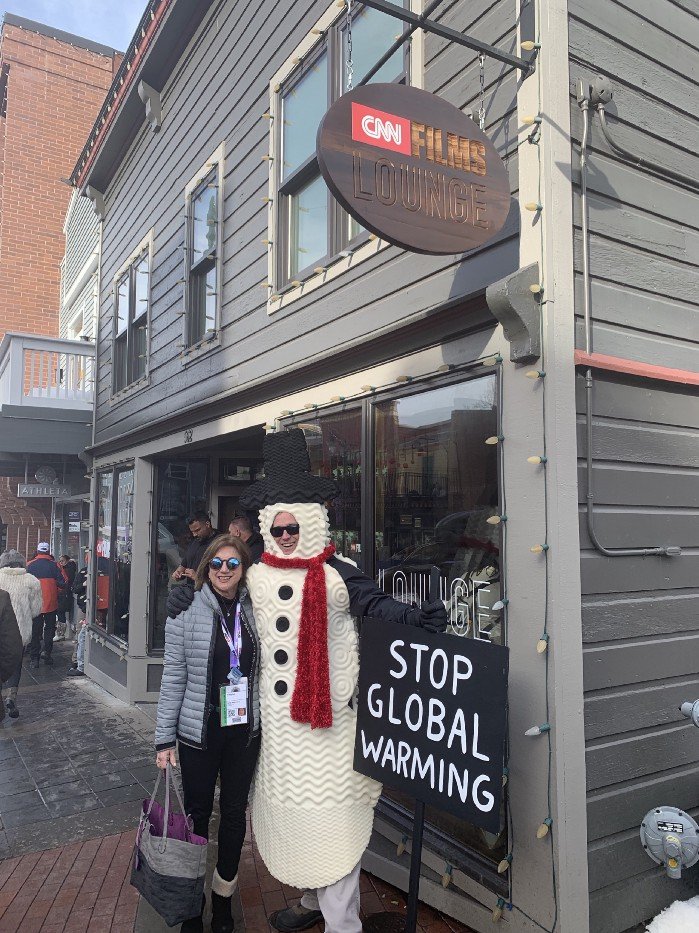
The access to A-list actors, big-name producers, and media company executives is relatively barrier-free in the relaxed settings where they appear as speakers, panelists, or just hanging out in the VIP lounges that line Main St. in Park City during the fest. CNN’s venue was of particular interest to me as you’ll read below, and is depicted above.
Okay, but what about the films you ask? First, the bad news — there were not as many docs overtly about climate change as I’d hoped given the world is finally waking up to “smell the carbon,” and the theme of this year’s SFF was “Imagining the Future.” But the good news is the ones that were about our changing climate — even if not directly mentioned — -were excellent.
There were two films of note in the environmental category; one was based on events from nearly three decades ago, the other from a bit more than a year ago. Both revealed a cautionary tale about what’s to come.
The most impactful film in what I’d call the ecological category was Spaceship Earth. This was my favorite, a fascinating close-up examination of a quirky and talented group of Biospherians who enclosed themselves in an artificial environment ambitiously created to replicate the natural world.
Using archival footage dating back to 1991, when the Biosphere’s two-year experiment began, and earlier, director Matt Wolf uses film and photos to document the formation of this unlikely group of eco-explorers and its charismatic leader, John Allen. What began in 1967 as a commune-like experiment in the free-wielding Bay Area, lead 20 years later to the building of an air-tight geodesic dome based on some of Buckminster Fuller’s principles. That journey is at the heart of this fascinating documentary.
The mostly self-trained band of Biosphere participants were actually a brilliant lot of non-conformists who managed to build a seaworthy ship from scratch and create the giant nature-mimicking bubble — complete with mini ocean-like environments complete with coral reefs, and animal-filled rainforests — that sustained the eight men and women with food, water, and air for two years. Although there were challenges, and times the crew nearly gave up, the triumph of what was accomplished was fully realized in this film in a way that was impossible to glean from the often critical news accounts during the human experiment.
The twists and turns that unfolded are best left to seeing the film. But for me the overarching theme was how amazing this feat was some 30 years ago, and at the same time how visionary their view was of planet earth (Biosphere 1) under increasing strain from the weight of population growth and human activity.
While my vague recollection of news coverage at the time was that it was a small group of oddballs who struggled in their quest to be totally self -sufficient for two years, in reality, they were ahead of their time visionaries who had a few unforeseen challenges but that was to be expected in this first of its kind endeavor. Their victory was hard-earned as they did manage to remain in the enclosed microcosm of “real life” for the full two years.
But perhaps even more remarkable is the film’s ending which showed that this tribe of hippies-turned-scientists-turned- pioneers managed, against the odds, to remain together as a group well into their 70’s and 80’s. Most of them are still sharing land and life with each other this many decades later. That alone is a remarkable achievement! Usually, people turn out to be more human, and fallible, often succumbing to personality conflicts and differing views.
But not this crew. They were real deal pioneers in an experiment that has more meaning and lessons than ever in today’s compromised climate and ecosystems. Their inspiring ending is marred only — though jarringly — by a cameo appearance from Steve Bannon of all people. In a scene that’s all too stark a reminder of today’s political climate, Bannon threatens to be the spoiler and destroyer of all that has triumphed and prevailed, against long odds.
The other film with a backdrop of ecological disaster and human survival was a doc from Ron Howard called Rebuilding Paradise. As the name implies, it’s the story about the town of Paradise, in Northern California, which burned in a wind-whipped inferno ignited on Nov. 8, 2018. The film crew returns to the area nearly a year later to tell stories of the struggle to survive when so much has been destroyed or damaged in property — schools as well as homes — and tight-knit community.
Howard uses harrowing footage of survivors escaping flames from the Camp Fire, the worst in California history. Revisiting a disaster area to see what followed after news crews were long gone is a premise I’ve long envisioned. Especially in places where climate-fueled catastrophes have hit.
But any questions I would have asked were not depicted in the film if they were asked at all. They would be about the perceived role climate change played in worsening the fires. While some may feel it’s irrelevant, or even insensitive to ask victims of these “un-natural disasters” for their opinions, I strongly disagree. I believe that by failing to connect these dots, too much of the public remains in the dark about how our warming world is making weather events more extreme. In the case of the hellacious fires in California, and more recently, Australia, prolonged drought conditions and higher than usual winds fueled these blazes, making them spread faster and much harder to control.
While the stories that Howard’s crew followed were well told, personal, and plenty poignant, I see an opportunity missed in not asking survivors about their views — past and current — about the growing threat of climate change.
The news media’s failure to connect dots for too long during and after the hurricanes, floods and fires that have been first and worst of their kind, is a big part of the reason we still have climate denial in this country and in the White House, and may yet again.
By missing a chance to show the personal toll from our worsening climate crisis, it remains largely an issue in the political sphere. Though the film ends with one of the adult survivor’s death from a heart attack-–possibly triggered by post-fire stress — I don’t recall even one direct reference to climate change in the film. Perhaps that was intentional on the part of Howard and his crew but, in my view, it was a mistake.
A friend of mine who lost his family’s dream home in the 2017 Santa Rosa fire was diagnosed with advanced prostate cancer last year, and while he can’t prove it, he is convinced that trauma from the fire and its stressful aftermath; dealing with insurance companies, a thousand decisions to make about whether to rebuild or not, and eventually buying and moving to a new house, took a toll on his health.
I’ll close with a confession and explanation of the photo above.
For three years I have been pitching, or trying to pitch, television news network executives on content focused on our planetary pickle and solutions that could be game-changing. Despite the clear need for such programming — still missing from the mix on ALL news channels — the reluctance and resistance on the part of so-called news leaders, has been frustrating, perplexing, and revealing. What are they so afraid of?
In my continuing quest to find signs of intelligent life in network news management, I spend some of my time at Sundance hanging out in the CNN VIP lounge which, my press pass gets me into.
Though I missed seeing my primary target — CNN head Jeff Zucker by a half hour — I did manage to speak briefly to a few execs who astonishingly still seem lukewarm about the prospect of adding ANY climate commentators or environmental correspondents, despite having hundredsof political contributors!
So imagine my delight to see a climate action demonstrator parked outside CNN’s lounge as I walked up! Though no connection of mine, this man helped make my point that climate change IS the biggest story not getting adequately told.
Whether or not the CNN execs bothered to notice is not clear. I’ve found that TV news managers tend to be arrogant and even a bit ignorant about what they don’t know that they don’t know. Or maybe they do know that they’re guilty of the sin of omission in not fully reporting on the dangers of our rising emissions.
This was my third time attending the Sundance Film Festival and the second year there were no marquee level movies about our embattled environment, but there were some good ones.
My first “dance” was in the wake of Donald Trump’s inauguration and included the Women’s March in a blizzard as frosty as the pall cast over a nation that was never expecting a climate doubter to win the White House.
Marching with hundreds of women, men, and children to protest the anticipated policies of an anti-environment president was a highlight but so too was the premiere of Al Gore’s An Inconvenient Sequel in January 2017 along with Chasing Coral, the sequel to Jeff Orlowski’s Chasing Ice.
Last year’s biggest splash in the genre of green films was Gamechangers, which despite its popularity with festival goers, is yet to be released in theatres. That movie, from Louis Psihoyos (The Cove, Racing Extinction) as well as other directors, tracked the transformation of pro-athletes from a meat-centric to a vegan diet — accompanied in all profiled cases — by better competitive results.
This time my favorite film in the environmental category was The Biggest Little Farm from John Chester. The filmmaker and his wife Molly were the protagonists in this case and the star was the 200-acre moribund farm the couple purchased with no experience tilling the land. It’s location, an hour north of Los Angeles, would become part of fire-scarred Thousand Oaks but that proves to be the least of the couple’s challenges.
The 90-minute roller-coaster ride is beautifully shot and the story of these intrepid humans — and their menagerie of animals — risking everything to live in harmony with nature is dramatically portrayed. Facing every obstacle imaginable over the course of seven years, the relentless game of whack-a-mole against pests and predators alike, our heroines are guided by a sage farm-whisperer who urges the couple to aim for maximum diversity in crops while using traditional (not current agro-tech tools) methods. Nature is depicted as she is: both harsh and healing, but in the end Apricot Lane Farms becomes the idyllic dream fully realized. But not before the couple’s patience and persistence is tested, again and again. Their plight is humanity’s plight — can we still rely on Mother Nature to sustain us given all the damage humans have wrought, from extreme weather and wildfires to nutrient killing practices. Acquired wisdom eventually saves the farm, and the farmers, but not without significant loss along the way.
My second favorite film was The Boy Who Harnessed the Wind. While this one takes place on the other side of the world, in Malawi, it’s also a true story — though actors were used in this doc. Compared to the relative lushness of California’s land, the home of 13-year-old William Kamkwamba, is barren and under a brutal dictatorship under which the boy’s family and fellow villagers are left to fend for themselves. Facing famine from a prolonged drought, in-fighting breaks out and families break apart. In the eleventh-hour, William uses his rudimentary self-taught scientific understanding to rig up a windmill using a bicycle, a wing and a prayer. The whimsical contraption manages to work, allowing what’s left of the villagers to harness enough wind to pump captured water for irrigation. The boy’s ingenuity earned him a scholarship at Dartmouth, as the ending credits reveal. One can only imagine the culture shock going from a place with so very little to the land of too much.
If both these films serve as a reminder of how dependent man is upon nature, other docs in the genre depicted the damage and hubris of man using nature for humanity’s benefit, while at the same time despoiling and destroying natural resources. Anthropocene takes viewers on a birds-eye tour of a half-dozen sites where resources like marble, sand, and potash are extracted leaving gaping holes in the earth where man has tread. As its name implies, man has shaped the geography and geology of the planet, literally altering the landscape in the name of progress. There is very little in the way of commentary as the pictures of degradation, presented in an artistic manner, speak for themselves.
If Anthropocene: The Human Epoch gives us an overhead view of the spoils, the German film, Walden, is a slow-motion journey tracking a single tree from its origin in an Austrian forest to its final destination in a Brazilian rainforest for purposes unknown. Using excruciatingly slow pans of panoramic shots, the film takes 106 minutes to convey its message about the futility and seeming mindlessness of trucking, shipping, and train-ing a single tree-turned-lumber halfway across the globe. The human energy and time combined with the toll of emissions spewed for such a small load speak to the perils and pointlessness of globalization and sometimes mindless transfer of goods for no real good reason. While I applaud the message and marvel at the method used to portray the lesson — 13 long slow pan shots of industrial transfer points — I feel the point could be made more effectively with the same film being condensed to one-quarter its length. The takeaway is important and hopefully thought-provoking, but as a viewer I value my own time and energy and need to conserve!
While the remaining films in what I call the “green category” were also noteworthy: Tigerland, Honeyland, and Sea of Shadow, also had common themes on the tolls of human greed and hubris, none of this year’s entries fully captured the urgency of the moment we’re in vis a vis climate change. Given the events of 2018: extreme and deadly weather events combined with dire government reports, I suspect — and hope — we’ll see more scenes from the apocalypse that is our dawning reality and most importantly what society can do to avoid collapse.
An empowering entry in the motivational category was WeRiseUp, a welcome film created to empower people to make a difference in the world using their unique individual gifts. It would be great if WeRiseUp were to partner with environmental or social justice groups to help empower and organize people to contribute to positive change. Many movies with a cause get people riled up but leave no place to go to do anything about correcting the problem or help to address the issue. People need tools, direction, and organization and lord knows this is urgently needed on the climate front.
One can only wonder when it will dawn on the greater public — those that don’t generally go to Sundance to watch eco-themed documentaries — that we are in trouble as a species, as are other living beings we’ve endangered with our actions. If we don’t change how we live with the natural world, our collective future is threatened and that’s not science fiction, it’s scientific fact. It’s time to chew on that, along with our popcorn.
Earth’s temperature soared to a record high last month, nearly 1.5C degrees above average as measured by weather satellites. That’s a huge amount even in these record-breaking atmospheric times according to scientists at the University of Alabama in Huntsville.
To put that in perspective, a 1.5C degree rise is the line in the sand established at the Paris Accords as not to be exceed by 2100.
As February broke new weather ground, the month ended with Leonardo DiCaprio’s long-anticipated Oscar win. Indeed, the story that was the most tweeted Oscar moment of all-time was the mega star’s speech following his Best Actor victory in The Revenant.
DiCaprio started off by praising his fellow nominees and Martin Scorsese for mentoring him over the course of the past two decades, along with 20th Century Fox, his parents and his friends. Then, he made an impassioned call for the strongest action possible to address the threat of human-caused climate change:
“Making The Revenant was about man’s relationship to the natural world. A world that we collectively felt in 2015 as the hottest year in recorded history. Our production needed to move to the southern tip of this planet just to be able to find snow.
Climate change is real, it is happening right now. It is the most urgent threat facing our entire species, and we need to work collectively together and stop procrastinating.
We need to support leaders around the world who do not speak for the big polluters, but who speak for all of humanity, for the indigenous people of the world, for the billions and billions of underprivileged people out there who would be most affected by this.
For our children’s children, and for those people out there whose voices have been drowned out by the politics of greed.”
Millions of fans whom DiCaprio will never meet cheered his courageous words. With the Republican Party seemingly poised to nominate a celebrity climate-denier as the 45th President of the United States — with what may be the heaviest eco-footprint in America — it was appropriate that DiCaprio use his celebrity spotlight to remind the world of the looming threat to all of us.
DiCaprio deserves high praise for his nearly two decades of dedication to reducing carbon pollution, and his unwavering support for climate scientists and environmental activists. However, one man — as powerful and popular as Leo is—cannot fight climate change alone. DiCaprio may never win another Oscar. He may never have another opportunity to urge tens of millions of viewers to join the effort to preserve a livable planet.
So kudos to Leo for issuing this call to action while the world was watching. But now what? For me DiCaprio’s plea prompts the following question: How CAN and where DO Americans work collectively to fight climate change? The crisis, and other environmental challenges, need and deserve comprehensive ongoing national television coverage. Where and how else are we supposed to start talking about it as America’s favorite leading man implored us to do?
Perhaps one reason average citizens are not as concerned and ready to act as they should or could be is they don’t see regular coverage in the news and almost NEVER see solutions-oriented programming. It doesn’t yet exist. That void is a huge opportunity.
As a seasoned broadcast news journalist-turned-Green talk show host, I have spent more than a decade advocating for dedicated programming on these timely, complex and changing stories. For inexplicable reasons network news programmers have failed to see the “green light” and tend to view such shows as “too niched” or “too negative.”
But it’s a niche that affects all of us and If Americans are all about hope, fortitude, ingenuity, patriotism, can-do spirit and unwavering commitment to our children’s future then why not take on our most pressing environmental challenges? The most egative consequences will only be the outcome if we continue to ignore warning signs to act.
Where is it written that the eco-evolution shall not be televised? Why not chronicle the biggest story of our time, what’s happening to our life support system before our eyes? It’s so much more than ONE story (see www.thegreenfront.com and www.ecotalkradio.com).
The worsening climate crisis can most effectively be addressed with a concerted and comprehensive effort by mainstream news media, in both print and traditional broadcast/cable outlets. Only major networks and newspapers have sufficient resources to cover threats of this magnitude— and emerging opportunities— with the depth, breadth and long reach needed to be accessible by the mass public.
Progressive online news sites and social media alone cannot provide the trans-partisan discussions needed if we are to come up to speed quickly on what we are facing and what we can do to be “part of the solution.” It will require more than 140 characters and an attention span of more than a minute if we hope to succeed.
So while a call to action from even a high-profile figure, and global platform like the Oscars is a great and needed step it should serve as launching pad for a nationwide awareness campaign focused on the challenges posed by climate and other threats to nature, our life support system, as well as dynamic conversations on proposed and varied solutions from the best and brightest among us.
Personalities on the frontlines of sustainability are knowledgeable, passionate, hopeful and deserve to be widely seen and heard in 2016. Why not tap into their collective wisdom? There are hundreds— actually thousands— of change makers in the trenches from science, politics, business, activism, the arts and beyond eager to participate in conversations about solutions.
As DiCaprio told ABC’s Robin Roberts backstage after the Oscars, we need more citizens to get educated and taking action. Now.
“As I said in the speech, it is the most urgent crisis that we’ve ever faced as a civilization and the more people that talk about this and get involved and, as I said, vote for leaders who really want to make a difference, you know, we can actually tackle this problem.
We have the capacity to go 100 percent renewable using existing technologies, we just have to have the political will. Our very existence is at stake.”
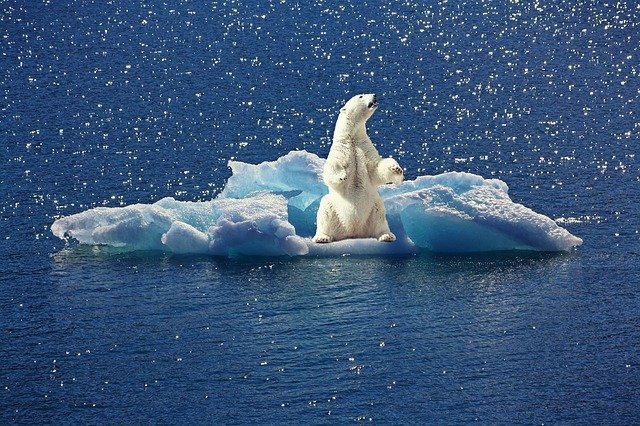
Or put another way, if we don’t act soon, and icebergs continue to melt, we may all be in for a titanic amount of trouble. Since no one wants that, what are we waiting for?
To say we are living in turbulent times is to state the painfully obvious. The political landscape veers between frightening and farcical on a nearly daily, if not hourly, basis.
As we reel from news of one act of terror to another horrific gun shooting and careen from extreme weather event to bracing for the latest sexual predator reveal, it is enough to make one want to hide under the covers and say “wake me up when it’s over.”
However tempting, that is not an option so how do we cope with the current chaos and relentless assaults on our sensibilities? Especially those of us who, for better or worse, have made it our life’s purpose to be agents of change? How can progressives advance the full agenda for a better tomorrow when politically motivated short term thinking is pushing us backwards fast? With so many messes to clean up when and if we do get turned around in the right direction, it feels downright daunting. Where do we find the fuel to keep going and sufficient energy to refill our hope tanks if we dare to care about the fate of the planet and humanity?
With so many bullets to dodge, the title of a weekend conference held at New York’s Omega Institute last month was especially intriguing: Being Fearless: Action in a Time of Disruption. As a passionate broadcast journalist-turned-environmental writer, commentator, speaker and advocate for action, even I was in need of a chutzpah and hope reboot in order to stay in the fight. Based on the West Coast, I had heard of the Institute—and its Center for Sustainable Living—but had never been. When I found myself with a rare free weekend in New York City last month, off I went.
Omega is a warm and welcoming place located in the Hudson Valley River town of Rhinebeck, where Chelsea Clinton famously wed in 2010. Situated on 250 acres, the camp-like setting includes a main hall for presentations, a large dining lodge where tasty “mostly vegetarian” fare is served cafeteria style and cabins of various age and size surround the center. Walking paths and gardens connect the buildings and in mid-October, flowers were still in bloom and the trees barely beginning to change color—a late start I was told—courtesy of global warming.
The weekend kicked off with a reception Friday evening for speakers. As media, I was included and immediately felt at home in the company of staff, presenters, and performers. After we joined attendees in the big hall, Omega’s CEO, Skip Backus, kicked things off with words that resonated about the need to take pause, listen and learn before we take action to make the kind of deep changes these times demand. Assembled with seemingly kindred spirits of varying backgrounds and professions, it felt comforting to be a part of something bigger, an oasis from the craziness, however fleeting.
There was a succession of speakers that first night, each compelling but the standout for me was Dr. Cornel West, a dynamic professor who is part historian, part poet, and part preacher. I had seen him on television but in person he weaved, bobbed and circled the podium like a spinning top, all the while giving social commentary in lines that rhymed and reflected a brilliant mind. In fact, the program bio called West “a provocative democratic intellectual” and the professor of philosophy and Christian practice lived up to that billing. Among his keen observations, “America is a problem-solving people but when it comes to catastrophe, we’re in denial.” He cautioned that “we will find out who we really are in these times.” Indeed West and many other speakers had a similar thread in their messages; if we don’t like what we’re seeing around us it will take a commitment to telling the truth and bearing witness to love and justice. As many who preceded him have also noted, we must love ourselves first and change within before changing the world.
One of the tools is practicing mindfulness, also not a new concept at least not where I come from. That said, it is one thing to talk about it and another to practice as I am learning.
Saturday morning kicked off with a meditation led by stress reduction guru Jon Kabat-Zinn. His soothing voice and friendly manner set a relaxed tone which continued into the next session with Rhonda Magee, a professor of contemplative law. Their topic was “mindfulness in the face of injustice” and “identity-based suffering.” All the talks were recorded as were performances by talented ensembles including Climbing PoeTree, a combo dance, poetry, rap group with mesmerizing moves that punctuated their social commentary.
The morning concluded with Paul Hawken giving his slideshow on “Project Drawdown” based on his book about the most impactful ways to reverse climate change. He includes some less obvious contributors to greenhouse gas emissions, like food waste—-the third largest factor—and solutions like educating women in developing countries to help them rise above poverty and have fewer children. I would liked to have heard something about the need to better educate all people to raise ecological literacy, especially here in the U.S. where an active and well-funded disinformation campaign has had such a negative impact on progress. The unmet potential of our mainstream news media to effectively counter economically motivated falsehoods and clear up confusion about our climate crisis is an inexcusable failure.
It is my longtime preoccupation with this lapse that drew me to the Fearless conference. In particular, a panel discussion featuring CNN contributor, Van Jones, and Democracy Now’s Amy Goodman about the Changing Roles and Responsibilities of Media. Bill Moyers was to have been on the panel, as well serve as conference keynoter, but he was not able to make it. Moyers was replaced by presidential historian, Jon Meacham whose current claim to fame is having been fearless enough to ask Donald Trump what he reads. Although Meacham is a contributor on MSNBC, offering analysis on the Trump presidency seen through a historical lens, media is not his primary focus and he said as much on the panel. Although not his fault, nor the conference planners, it would have been helpful to hear Moyer’s perspective, having worked in public television for decades.
That, and the fact the moderator did not steer the discussion in the direction of the panel’s title, yielded a discussion more focused on politics than the changing role and responsibilities of media. Despite the disappointing pivot there were some relevant and revealing quotes that emerged at the end of the panel and in the Q & A session that followed when news media and climate change briefly became the focus.
A bit of a disclaimer is in order here. With a long background in broadcast news, most of it spent working for the CBS Radio network, I experienced the impact of being heard on a national channel in terms of reach, even if only reading breaking news of the day. I left to cover environmental issues as an independent producer and host of green radio shows. Ten years later I decided TV has the advantage of showing both the problems and the people with solutions and have been pitching the news networks on what would be the first program dedicated to addressing our urgent eco-challenges. I would love to have been on that panel to share insider insights. Over the years I have heard every excuse in the book from program execs resistant to offering content on climate and green solutions, none of them legitimate in my strong view. Their responses are revealing in terms of them not recognizing the game-changing potential of getting America to wake up and smell the carbon.
Van Jones was on my Air America radio show on World Environment Day in 2005 before he was well known. I was so impressed with his brilliance and bold ideas that I told him he should be in the White House and after our in-studio interview I suggested he use “Green Collar Jobs” as a renaming of his then movement, “Green Jobs, Not Jails” because I loved his vision of training underprivileged youth to work in solar and other green sectors (I hate waste and there is nothing worse than a life wasted). He ran with it and used it in the title of his best-selling book, “The Green Collar Economy.” Fast forward to 2017 and since I had recently pitched CNN on a climate series I was particularly interested in his thoughts on the news networks’ near-failure to connect the dots between recent record-breaking hurricanes, floods, wildfires and a warming earth. If more emphasis was put on what’s fueling these devastating weather events by CNN, MSNBC and the Big 3 (ABC, CBS, NBC), then FOX would not have the undue influence it has had in fomenting the politicization of climate and other environmental threats, thwarting both political and public progress as FOX actively sows dissension, doubt, and denial.
The most pertinent comments, for my purposes, came from Amy Goodman who said we need media that makes these connections, as she has done so well on her award-winning Pacifica radio program. Goodman has long been fearless, an outspoken critic of the so-called corporate media and its repeated failure to explain why we are seeing such devastating weather events. Her reporting on Standing Rock was a stand-out and she even got arrested briefly as a result. When she turned to Jones and asked why CNN spends so little airtime discussing climate change, he replied that whenever they tried to discuss the topic, the ratings would go down, according to his bosses.
I have heard that before—from Van and a few CNN staffers—-and question how they can even track ratings based on such fleeting mentions. I also wonder when they last tested that since, as Amy said onstage, everything has changed in light of the recent hurricanes and fires, the latest evidence of “weather on steroids.” I loved what Van went on to say and with some dramatic flourish, “there are only two things we cannot recover from and we are now seeing both, runaway climate change and the prospect of nuclear war. The way we live can kill us and the way we kill can kill us all. These two existential threats should get us very focused and very calm to build the kind of movement that can win the country back over. Anything we’re doing that’s not that is a criminal waste of time.” That strong statement rang true, not only with me but with the audience that applauded loudly.
When pushed further by Goodman on whether CNN has an anti-climate stance, Jones paused briefly to consider and offered—by way of observation more than justification—that “the public is ahead of corporate media and politics which will have to catch up,” adding “the news media and political parties don’t lead anything, they’re lucky if they’re the caboose at the end of the train. What leads stuff, he concluded, is the people.”
While I definitely agree with Van’s belief that the major news networks are not trailblazers, in my view the people have spoken. In the last few years alone hundreds of thousands of Americans have marched, as well as across the world, to demand action and leadership. The People’s Climate March in 2014 was almost entirely ignored by the New York-based news networks in terms of coverage, despite 400,000 turning out in Manhattan alone. Never mind that the march went right past several of the big network headquarters. Last April two back to back science and climate marches in Washington D.C.— and around the country—did get decent coverage from the big cable and broadcast news networks, but there was still something important missing from the coverage. There were zero climate scientists, environmental experts or advocates doing in-studio commentary. Instead, CNN and MSNBC, which I monitored, had their “political analysts” on discussing climate as a political issue, framing it as a Trump vs. climate activists competition, as if there were competing teams in a sporting event. This is a recurring problem that perpetuates the status quo of avoiding serious discussion of the urgency, irreversible ecological and humanitarian consequences and economic impact of a warming world and all its manifestations. If the public doesn’t see it on the news, how serious a problem could it really be? In other words it is something they can ignore.
So while Van makes a good point, especially the news media lagging on taking climate as seriously as the threat would dictate, in my view that is no reason to excuse or let those tasked with informing the public off the hook. I can see where Van may not want to challenge his bosses but I sure wish someone would enlighten them! Since when should what is covered be determined by ratings? And perhaps viewers would be more interested if they had a better understanding of consequences that can be mitigated and opportunities inherent in the crisis.
If I seem to be harping on this it’s because I firmly believe (and have fought to change this for two decades) that until there is better coverage and connecting of causal dots, the misinformation—and paralysis—will continue. And while a failing climate, warming oceans, and collapsing ecosystems are not the only arena in which there is political gridlock and media malpractice, these are challenges that will not be easily reversed, if at all. Time is key and enough citizens have spoken up and taken to the streets that there is no legitimate reason in 2017 for the climate silence, and same for other eco threats. At the same time there is an underlying environmental literacy issue that must be addressed. I cannot think of a better use of mass media channels than this given that is at stake.
I would love to have asked some follow up questions of Van but as is usually the case, most of the speakers didn’t stick around after their presentations, which is unfortunate.
A few highlights from Sunday morning included David Orr, an author and Oberlin environmental studies professor, and Opal Tometi, a co-founder of Black Lives Matter. There was one standout presentation from someone who did not stand very tall but who loomed large in every other way. Thirteen-year-old Elijah Coles-Brown, a young orator who appears to have what it takes to be an up and coming Barack Obama, captivated the audience with his mature mannerisms and motivating message about rising above being bullied “when I was young.”
It was also unfortunate that I didn’t have time to tour Omega’s Center for Sustainable Living, touted for its LEED Platinum building certification and state-of-the-art water reclamation facility—but now I have reason to return next year for one of their many workshops on topics ranging from personal growth to social change. In addition to the usual self improvement programming fare I was impressed to see Omega offering innovative programs for Veterans including yoga and other modalities to help vets heal from the trauma of war.
I left Omega feeling recharged for the battles ahead but already just one month later, there have been two more mass shootings, a terror attack in downtown Manhattan, and a steady stream of affronts to our senses coming from occupants of the White House.
As I struggle to retain the sense of community and shared purpose that was palpable at Omega, I find myself clinging to one overarching hope; that with all the shaking up exposing an underbelly of what’s wrong with America in terms of inequity, hypocrisy, sexual predators and just plain evil, it is painfully evident that the old ways are not working and will not get us where we want and need to go in order to thrive. If indeed the time has arrived for karma calls to manifest then bring it on but we can’t get through this alone. More than 500 attended the weekend at Omega with 2,500 participating in the live stream but organizers want to share it with a much wider audience.
The way the world is going there will be challenges anew to tackle and while I do believe change begins with ourselves—and that was certainly an overarching theme to the weekend— it is also true that there are still not enough of us needed to fight all the hate, falsehoods, denial and polarization we see reflected in the news every day. This has always been the challenge but with a growing sense of urgency I feel too impatient to wait for enlightenment to spread person to person.
I guess I should meditate on that but in the meantime please spread the word that what happened in Rhinebeck doesn’t have to stay in Rhinebeck. For another month, until December 14th, you can access all the presentations I’ve written about, and many others I couldn’t cover, for a mere $5 fee that helps to offset the costs of bringing the conference to a worldwide audience. You can find the link at https://www.eomega.org/online-workshops/being-fearless-on-demand
I encourage you to check it out for your own well being, all of our sakes, and mostly for our children who deserve to have a future they can look forward to and not dread.
My takeaways are that it’s necessary to shore up for the long haul while being prepared for short term setbacks. Barring nuclear attack or climate meltdown, we’ll be around for the foreseeable future. While there is plenty to be upset about we only have one precious life so we ought not let anyone, or anything, ruin it. In the end Donald Trump isn’t worth it. Just don’t stop caring because we need all of us to get through these dark but dynamic days.
Al Gore’s pivotal film, An Inconvenient Truth (AIT), put climate change on the world map, and got many Americans thinking, and talking, about this worsening existential threat. There has been real progress with much of it coming in late 2015, including President Obama’s executive actions, Pope Francis’ encyclical Laudato Si and the pivotal Paris Agreement. Last week’s tributes to Gore and the film’s producers were welcome and deserved. Some of us who had been concerned, and communicating about global warming for years prior, thought AIT would change everything. It didn’t.
A decade later there remain glaring gaps that are key to wider public acceptance and much needed mass action. What’s still missing comprises a long list, but at the top I put a lack of credible information and inspiration, programming aimed at the general public coming from mainstream news outlets, both broadcast and cable, and on the television and radio networks. There’s a sustainability revolution underway but you’d never know it if you just get your news from the networks only. It’s far bigger than the information or tech revolution for this one will determine our collective fate.
While world leaders, government agencies, insurance companies and corporate America have begun to take the threat(s) seriously, national news outlets are still (with a few exceptions) ignoring the biggest story of our time—what’s happening to nature, our life support system—at our own hands. Inexplicably, none of the news networks are offering any programming to educate the public, nor providing a national forum for discussing solutions about what citizens and communities can do to have a positive impact. News executives do not see this as their responsibility and assume few care enough to tune in. They also don’t know what they don’t know.
I believe they are wrong on both counts but trying to convince program executives of that, let alone get a meeting, has been a frustrating focus of mine, going back even before Gore’s film came out. In fact his was among the networks we pitched when he and Joel Hyatt owned Current TV! Gore was on my radio show when An Inconvenient Truth debuted and I’ve been trained by him, as part of his Climate Reality Project, so he knows that I’m qualified. Gore turning down a ready-to-go show on climate change while lambasting mainstream media for ignoring the issue was a little more than inconvenient – I have filed that one under “Inexplicable”.
In an anniversary interview last month Gore repeated his still apt line about how weather reports are starting to sound like The Book of Revelations. And it’s only getting worse. Last week southeastern Texas experienced its second “1 in 500 year flood” with nine lives lost. At last report fires were still burning in Canada’s tar sands territory and India melted a new high temperature record of 124 degrees Fahrenheit. Parts of Sri Lanka were under 8 feet of water and nearly 25-million Americans were in the path of severe storms carrying Wizard of Oz-like “monster tornados” touching down in Kansas and Nebraska. Weather conditions in Minneapolis were so severe that crowds at Beyonce’s concert had to evacuate the stadium. As Dorothy might say if she dropped in today, “Tornados, fires, and floods, Oh My”!
News anchors, reporters and weather people are, for the most part neglecting to connect the dots, even if only tentatively. So the public remains indifferent and the beat goes on. As well as the heat. As I write this hundreds of residents in the north of L.A. community of Calabasas are being evacuated as a 200 acre fire spreads in near 100 degree weather
Also missing in action is any meaningful discussion about the climate crisis during yet another presidential cycle. In the primary debate season moderators failed to ask substantive questions about the candidates’ plans to tackle climate change. When they did throw in a fleeting mention, there was no grilling of dismissive Republicans who dare still call it “a hoax,” including the apparent nominee, Donald Trump, who is by his own accounts “not a great believer.” That, while Trump petitions to build a seawall to protect his latest acquisition, a golf course in Ireland. Thanks to Bernie Sanders—who has long been a climate champion in the Senate—the topic has at least been raised, prompting Hillary Clinton to mention her clean energy plans more often on the campaign trail and to come out against the Keystone XL project. Continuing the climate silence giving short shrift to a phenomenon that is already altering life on earth, as we’ve known it, for yet another election cycle, is truly inexcusable.
As another climate champion in the Senate, Sheldon Whitehouse, said in a recent Time to Wake Up Senate speech, “We are sleepwalking through history as carbon piles up in the atmosphere…sitting on our hands acting helpless.” I would add that we are acting like clueless zombies and our culture is complicit in making that okay.
The persistent sad fact is that there is no government or media entity offering citizens and communities advice on how to reduce emissions and help reverse other troubling eco-trends. Of course there is plenty of information on the worldwide web and available through membership in environmental organizations like the Sierra Club and NRDC. But that requires becoming a member or actively seeking out material, which primarily is done by the already eco-aware. Why not make the best thinking on the part of experts more widely available and easily accessible? Given the scope and urgency of these multiple and overlapping crises, it is inexplicable that we are not seeing more mainstream programming focused on exploring the issues, discussing options for what’s needed to scale up. What are we waiting for, all of Greenland to melt? Until it IS too late to stop runaway climate destruction? Or until—perish the thought—we have a climate “disbeliever” in the White House, someone who likely has the heaviest per capita eco-footprint in the world with all of his buildings, boats, golf courses and planes? Not to mention hot air.
Earth Day Tx was so many things, many of them firsts for me. That’s why it’s taken this veteran green journalist-turned-advocate two weeks to fully process the rare and timely experience, enough to be able to write about it with proper perspective.
For starters, the founder of what began in 2011 as Earth Day Dallas, is an anomaly. Trammell S. Crow is a Republican businessman, arts patron and philanthropist, the son of his namesake who was one of the nation’s most successful real estate developers. Crow is also an environmentalist, perhaps the most interesting one I have met – and I’ve been interviewing thousands of eco-notables since Earth Day 1997! Among my favorite guests were those who were unexpected like Republican conservationists. Topping that list were Ted Roosevelt IV, Bob Inglis—the South Carolina congressman who was voted out of office in 2010 in part due to his growing concerns about climate change—and Martha Marks who started Republicans for Environmental Protection (REP) 20 years ago. I started reporting on environmental news because it never made sense to me that issues so essential to ALL of us should be politicized and marginalized—relegated to eco-activists.
That’s why I was intrigued by Crow, who told me in an interview on opening day of what was, on Friday, Earth Day Texas--and has now morphed yet again into the broader EARTHx—that his green leanings took root in his backyard as a pre-teen. The now gray haired, pony-tail-sporting enigma is still motivated by his backyard, he wants to “keep it green.”
That is where and when Crow says his older brother first uttered the word “environmental.” Crow’s sibling grew up to be a builder like their father, but not a green builder, Crow added as if reading my mind—no LEED designations anywhere in his developments—but the younger Crow grew up to love nature, nurture it, and grow increasingly concerned about the fate of our planet if we continue with business as usual. Over the years he tried to talk to fellow Texans—especially Republicans—about climate change, the endangered Monarch butterfly and countless other threats to our eco-systems, but that wasn’t enough.
In 2011 Crow put his money where his mouth was to create what is now his baby, his passion, and likely, his legacy. In his own words, well-seasoned with a Texas drawl, “the awareness level in Texas was so so low that I wanted to help that along.”
I first heard about Crow from Bill Shireman, himself a Republican businessman turned sustainability leader. Shireman founded Future 500 in 1995 and has been bringing corporations together to get serious about greening their bottom lines—in the eco sense, as well as dollars and cents—moving towards what is now generally known as the “triple bottom line.”
Several years ago Shireman, who was another of my favorite guests, wrote about how Trammell Crow was gathering green business leaders, environmental activists, innovators and investors to begin building what would immediately become the largest Earth Day event in Texas, and later the U.S. After all, Crow is a Texan, so of course he’d set out to make the event the biggest and best! It was Crow’s ambitious goal to bring the top influencers from the sustainability community together to address the most pressing environmental problems—by 2020—that got my attention. What kind of crazy optimist would put that mission impossible out there for print, and in such a short time frame? Did he know something I didn’t about our ability to address the complex challenges of climate change, coral and bee die-off, sixth mass extinction underway, warming oceans, deforestation and so much more? Or, did I know too much to do anything but laugh at that audacious target? Given Crow’s track record of business and civic leadership, I was determined to find out.
This year, with President Trump leaving so many of us who care about what’s happening to nature—our life support system—discouraged, depressed and even despairing about our ecological future, I decided it was time to make pilgrimage to Dallas. I had to see and hear for myself how Crow was doing with his moon-shot goal to save Mother Earth, now just three years shy of 2020, or at least to begin turning the tide. His approach, like Shireman’s, to inspire leadership across party lines and sectors, is so clearly needed now more than ever to rise about the noise.
My first glimpse of him was shortly after arriving onsite, at the Texas fairgrounds. The event’s communications director was showing me around the vast exhibit hall when we suddenly spotted him, moving through the crowd with his team, seemingly creating his own weather system. You could almost feel the energy as the crowd parted to make way for Crow as he bobbed and weaved, even walking backwards for a few seconds while continuing to talk, and listen, to his clipboard-toting entourage. My initial impression was that of witnessing a whirling dervish, looking more like a social change agent than an heir to a development fortune. That’s what makes him so intriguing: he is both of those—and more.
When we sat down to do an interview a few hours later it didn’t take long to pick up on his dry sense of humor and deep-voiced Southern gentlemanly charm. Among the questions I could not wait to ask: how was he doing on that 2020 goal and, as a Republican environmentalist who cares enough to gift this event to the people of Dallas, how does he feel about Trump and his cabinet picks rolling back progress? As if I was not curious enough, fellow Texan and former Governor, now Energy Department head Rick Perry, was the speaker at lunch. Even more stunning, EPA Administrator Scott Pruitt, was expected later in the afternoon. He is public enemy number one, in the eyes of many a climate activist, especially since famously telling CNBC’s “Squawk Box” in March that he did not believe greenhouse gas emissions were a primary contributor to climate change! I couldn’t believe he was appearing on the same day Congress’ top climate advocate—Senator Sheldon Whitehouse, Democrat from Rhode Island—had kicked off the event with his usual full-throated call for action on the twin climate and ocean crises. Talk about whiplash! The political juxtaposition was both unsettling and fascinating.
In response to both inquiries, Crow ducked—saying, in essence, we’ll have to see—but he did it in such a charismatic way that I didn’t have the heart to grill him on what would seem to be some supreme cognitive dissonance, both in terms of solving the environmental crises by 2020 and having Perry and Pruitt—climate activists’ worst fears embodied—there to speak, on Earth Day no less. Although it did not come up in our interview, I later read that Crow does, in fact, have specific markers in mind for the global companies, influencers and investors he has organized, over the next few years leading up to “The Earth Day 50 Challenge.”
Perry and Pruitt did not disappoint. After listening to each closely I came away with the same impressions of them that I had going in: of Perry as an affable enough but somewhat clueless politician—who famously forgot the name of the department he would go on to run, during the 2012 Presidential election—and Pruitt as a smooth, slick, and smiling fox in charge of the henhouse he sued more than a dozen times while Attorney General of Oklahoma. Strangely, in his short talk, he continuously repeated the line “We don’t have to choose between jobs and the environment,” a line borrowed from Democrats who have had to correct Republicans—whom, to this day—repeat that nearly every time regulations to safeguard protections are criticized as “job-killers.” Their double-speak spin strategy makes my head spin and blood pressure rise.
During Pruitt’s talk several protesters stood up and shouted at him, one calling him “a monster” whose administration, by rejecting the abundant evidence of human-caused climate change, is “gutting the EPA and condemning everyone in the future to a world of hell.” As he was being escorted out by Pruitt’s security guards (he reportedly now has eight to ten on staff) the heckler shouted to Pruitt, “How much money are you being paid?” It was a dramatic moment that underscored the wonderfully incongruent nature of an event that brought together high-level Republicans in an anti-environment administration with climate concerned activists and green-leaning folks of all shades. I couldn’t swear on it but I believe neither Trump’s energy nor environment chiefs ever mentioned the words “climate change,” a double sin of omission on the role of carbon emissions.
On more than one occasion I heard organizers state their event was “unobstructed by politics and fueled by community energy.” A noble slogan and goal, and to a great extent manifested from what I witnessed. In this heated national moment of polarized politics—while the polar ice caps melt—the stakes feel unusually high so it did not surprise me to see some raw emotions surfacing. Especially on Earth Day when hundreds of thousands of Americans marched for science, including thousands who culminated the Dallas demonstration, appropriately enough, at the 200+ acre Fair Park site.
I give Crow and his team kudos for attracting so many Texans, and beyond—from the eco-curious to the converted choir—and bringing together “unlikely bedfellows.” Although I was too busy attending talks, watching green films (more about that in Part 2) and doing interviews to interact with many attendees, the numbers speak volumes. With some 400 speakers and 130, 000 in attendance last year with nearly that many this year, Earth Day Dallas-turned Earth Day Texas—now renamed the simpler “EARTHx”is by far the largest such event. When you consider the more than 900 exhibitors and 1,700 booths, you begin to get a sense of the range and impact of this Expo.
Clearly Trammell S. Crow has created something unique and lasting, a real world example of the oft-used phrase, “conservation begins in your own backyard.” However, Crow and his team do not want it to end there. They want attendees to take what they’ve, seen, heard and experienced back out to their communities and to engage with it. Then they hope attendees will come back for more of what Crow calls “saturation” next year, bringing family, friends and colleagues to fill up their “empty sponges” with information and inspiration.
As the man with a Texas sized green goal said, “If we can turn Texas, we can turn the nation, and if we can turn the nation we can turn the world.” After meeting Crow I would not bet against him.